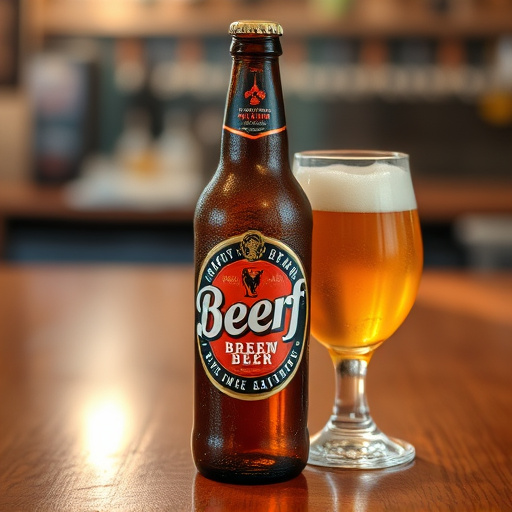

Beer, a timeless beverage with a rich history, is crafted from four key ingredients: water, grains (malted barley), hops, and yeast. Homebrewing involves malting grains, boiling them with hops, adding yeast for fermentation, and using specific equipment like a Brewing kettle, fermenter, and hydrometer. The process transforms simple ingredients into diverse beer styles through malting, mashing, boiling, cooling, and fermentation.
Dive into the world of home brewing and discover the art of crafting your own beer! In this guide, we’ll transform you from a novice to a brewmaster. First, let’s understand what beer is—a fermented beverage made from grains, water, hops, and yeast. Then, explore the essential ingredients and equipment needed for successful home brewing. Finally, master the brewing process with our step-by-step guide, enabling you to create delicious, personalized beers in the comfort of your own home.
What is Beer?

Beer, one of the world’s oldest and most beloved beverages, is a fermented alcoholic drink crafted from four basic ingredients: water, grains (usually malted barley), hops, and yeast. This ancient libation has evolved into a global phenomenon, with countless styles and flavors gracing taprooms and bars alike. From the crisp, refreshing lagers to the robust, complex stouts and ales, beer offers something for every palate.
As a fermented beverage, beer undergoes a transformative process. The grains are malted, meaning they’re allowed to germinate, which activates enzymes that convert starches into sugars. This sweet liquid, known as wort, is then boiled with hops, adding bitterness, aroma, and flavor. After cooling, yeast is added to initiate fermentation, converting sugars into alcohol and carbon dioxide, resulting in the bubbly, refreshing beer we know and love.
Ingredients & Equipment for Home Brewing

Creating your own beer at home can be a rewarding experience for any beverage enthusiast. To get started, gather the essential ingredients and equipment. The key components include malted grains (such as barley, wheat, or rye), hops, yeast, and water. These serve as the foundation of your brew, transforming into a delightful, carbonated beverage through a process of fermentation.
Equipment-wise, you’ll need a brewing kettle for boiling the wort (a mixture of water and mashed grains), a fermenter to host the yeast and start the magical transformation process, an airlock to regulate oxygen levels, and a hydrometer to measure the sugar content and track fermentation progress. Additional tools like a grain mill, thermometer, and bottles or kegs will also greatly enhance your home-brewing journey.
The Brewing Process: Step-by-Step Guide

The brewing process involves several key steps that transform simple ingredients into a delightful beverage. It begins with malting, where barley grains are soaked in water, germinated, and then dried to create malt. This malt is milled to expose starches that will later convert to sugars during the next step, known as mashing. During mashing, hot water is mixed with the milled malt to extract sugars and other essential compounds, creating a sugary liquid called wort.
After mashing, the wort is separated from the spent grains and boiled, typically for about an hour. This boiling phase not only sterilizes the mixture but also adds flavor through hop additions at different intervals. Hops, which are flower-like cones from the hop plant, contribute bitterness, aroma, and flavor to the beer. Once boiling is complete, the wort is cooled rapidly to prevent further protein coagulation. Yeast is then added, initiating fermentation where sugars are converted into alcohol and carbon dioxide, ultimately resulting in the desired beverage—beer.
Crafting beer at home can be a rewarding journey into the art of beverage creation. By understanding the basics, from the unique ingredients like malt and hops to the brewing process, you unlock a world of personalized flavors. With the right equipment and a step-by-step guide, making beer becomes an accessible hobby that lets you experiment and create your own unique brews. So, why not take a dive into home brewing and start crafting your perfect beverage?